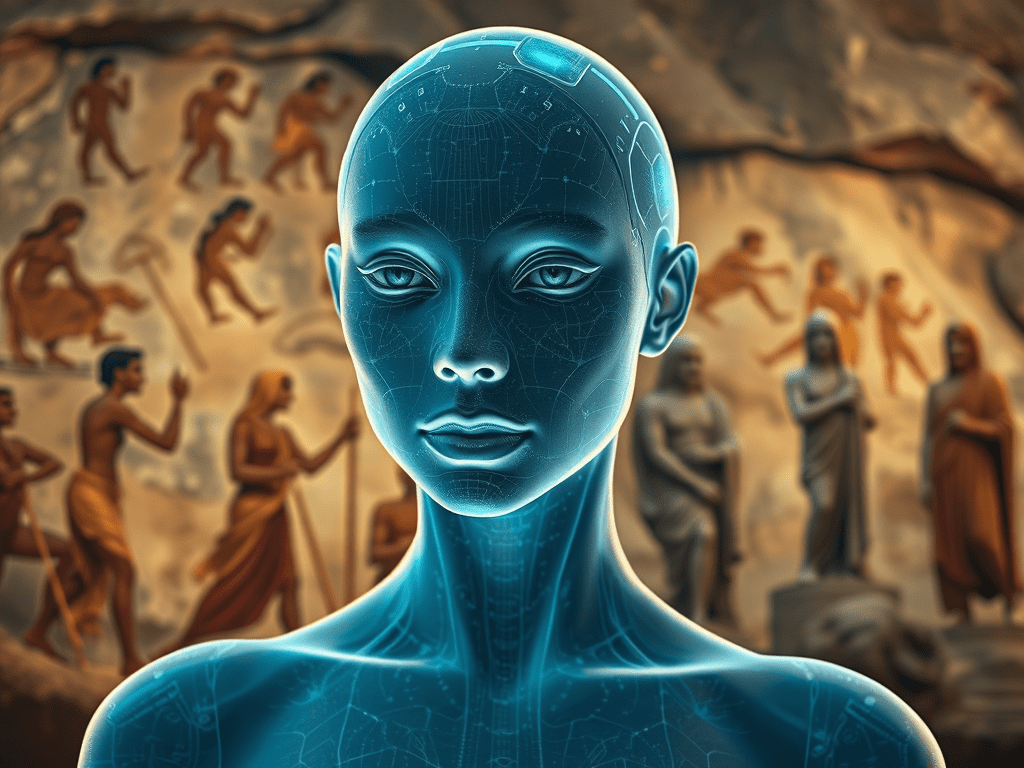
Digitální technologie v posledních letech změnily prakticky každou oblast vizuální kultury — od fotografie, přes film a reklamu až po tvorbu postav ve videohrách. K nejvýraznějším posunům patří nástup pokročilé umělé inteligence, která dnes dokáže generovat lidské postavy, jež na první pohled působí dokonalejší, harmoničtější a esteticky přitažlivější než skuteční lidé.
Nejde jen o technický pokrok. Tento trend odhaluje něco podstatného o nás samotných: o tom, jak funguje lidské vnímání, jaké máme estetické preference a jak nás formují zkušenosti v digitálním světě.
Od jeskynních kresbiček k digitálním modelům: dlouhá historie lidské potřeby tvořit ideální postavy
Lidská kultura byla vizuální od samého počátku. Už pravěké nástěnné kresby nebo sošky typu „Věstonické venuše“ ukazují, že lidé odjakživa tvořili vyobrazení lidských postav — někdy realistická, jindy výrazně stylizovaná.
Dnes je však situace jiná v jednom zásadním ohledu:
máme k dispozici technologie, které umožňují vytvářet postavy bez jakéhokoli fyzického omezení.
- 3D grafika umožňuje modelovat tělo s přesností, jakou si dříve šlo stěží představit.
- Úpravy fotografií dokážou změnit tvář, tělo i proporce během několika kliknutí.
- Generativní AI umí vytvořit kompletně nový obraz člověka z pouhého textového zadání.
A právě tato poslední technologie mění hru nejvýrazněji.
Proč mohou být digitální postavy pro lidský mozek “příjemnější” než skuteční lidé
Zásadní vlastností AI je, že nevychází ze živých lidí, ale ze statistických vzorců.
To vede k zajímavému efektu:
1. AI “vyhlazuje” nedokonalosti
Skuteční lidé mají asymetrie, jemné nerovnosti, nepravidelnosti v proporcích či textuře kůže.
AI tyto detaily automaticky koriguje, protože se učí na obrovských množstvích dat a vybírá z nich to, co je běžné, harmonické a vizuálně stabilní.
2. AI umí přizpůsobit proporce našim očekáváním
Běžné algoritmy a pokročilé modely dávají důraz na:
- symetrii,
- vyvážené proporce,
- hladké tvary,
- čisté linie.
To vše jsou prvky, které naše vnímání spojuje s estetickou harmonií.
3. Vyrůstáme obklopeni digitálními obrazy
Mladší generace má desítky tisíc hodin expozice animované grafice, videohrám, komiksům a stylizovaným postavám.
To znamená, že jejich estetické preference se mohou odchylovat od čistě „přírodního“ vnímání a více se podobají vizuálnímu jazyku digitálních médií.
Jak výzkumy ukazují rozdíly napříč generacemi
Výzkumy zaměřené na vizuální vnímání ukazují, že věk výrazně ovlivňuje estetické preference:
- Starší lidé obvykle preferují přirozenější, realistické zobrazení postav.
- Mladší lidé častěji oceňují stylizaci, fantazii, komiksový či animovaný vzhled.
Není to překvapení:
každá generace si nese vizuální prostředí, ve kterém vyrůstala.
AI jako zrcadlo našich kolektivních představ o kráse
Umělá inteligence není tvůrcem krásy — je jejím „zesilovačem“.
Učí se na tom, co lidé produkují a sdílejí. A následně to kombinuje do výsledků, které odpovídají tomu, co je v datech nejčastější nebo nejžádanější.
Dá se říci, že:
AI vytváří koncentrovanou podobu estetiky, kterou už dávno podporujeme my sami.
A jakmile se takové obrazy stanou běžnou součástí internetu, začnou zpětně ovlivňovat naše očekávání a vnímání skutečných lidí — nebo obecně „reality“.
Co to znamená pro budoucnost vizuální kultury
1. Rostoucí tlak na perfekcionismus
Ve světě, kde je každý digitální obraz dokonale hladký a symetrický, bude ze skutečného života nedokonalost ještě viditelnější.
2. Měnící se estetické normy
Fotografie, které před 20 lety působily moderně a atraktivně, dnes často vypadají „málo upravené“.
S AI se tento trend bude jen zrychlovat.
3. Větší diverzita stylů
Zároveň umělá inteligence umožňuje nový typ estetiky — mix realistického a stylizovaného, který dříve neexistoval.
To může rozšířit škálu toho, co považujeme za vizuálně zajímavé.
4. Potřeba nové vizuální gramotnosti
Budeme se muset učit rozpoznávat:
- kdy obraz formuje realitu,
- kdy realita formuje obraz,
- a kdy jde o čistý digitální konstrukt.
AI nemění jen obrazy, ale i nás
Generativní umělá inteligence není jen nástrojem pro tvorbu obrázků.
Je to technologie, která začíná formovat naše:
- estetické preference,
- představy o lidské podobě,
- kulturní normy,
- a možná i psychologické prožívání světa.
Ať už ji vnímáme jako výzvu, nebo příležitost, jisté je jedno:
Umělá inteligence se stala jedním z nejsilnějších faktorů, které utvářejí vizuální svět 21. století.
Odkazy k tématu:
PsyPost | AI generates nude images that outrank real photographs in sexual appeal, study finds
Recent research published in the Archives of Sexual Behavior reveals that artificial intelligence can generate erotic images of women that viewers find more aesthetically pleasing and sexually attractive than actual photographs of human beings. While people still recognize actual photographs as looking more authentic, the fabricated images reliably score higher in measures of attractiveness and overall pleasantness. These results suggest a notable shift in how digital technology might alter human perceptions of physical beauty and sexual appeal.
SPRINGER NATURE | The harm of deepfakes: a scoping review of deepfakes’ negative effects on human mind and behavior
Deepfakes is a term for content generated by an artificial intelligence (AI) with the intention to be perceived as real. Deepfakes have gained notoriety in their potential misuse in disinformation, propaganda, pornography, defamation, or financial fraud. Despite prominent discussions on the potential harms of deepfakes, empirical evidence on the harms of deepfakes on the human mind remains sparse, wide, and unstructured. This scoping review presents an overview of the research on how deepfakes can negatively affect human mind and behavior. Out of initially 1,143 papers, 28 were included in the scoping review. Several types of harm were identified: Concerns and worries, deception consequences (including false memories, attitude shifts, sharing intention, and false investment choices), mental health harm (including distress, anxiety, reduces self-efficacy, and sexual deepfake victimization), and distrust in media. We conclude that deepfake harm ranges widely and is often hypothetical; hence, empirical investigated of potential harms on human mind and behavior and further methodological refinement to validate current findings is warranted.
The Lancet Psychiatry (2025) | Digital trauma: deepfake victimisation and AI-generated violence
Artificial intelligence (AI) capabilities have advanced rapidly in creating realistic synthetic images, videos, and audio. Although such technologies have creative and educational potential, their misuse can inflict profound psychological harm.1 Psychiatry now faces a new category of digital trauma that warrants clinical attention and policy actions.
International Review of Law, Computers & Technology | Generative AI and deepfakes: a human rights approach to tackling harmful content
The EU’s Artificial Intelligence Act (AIA) introduces necessary deepfake regulations. However, these could infringe on the rights of AI providers and deployers or users, potentially conflicting with privacy and free expression under Articles 8 and 10 of the European Convention on Human Rights, and the General Data Protection Regulation (EU) 2016/679 (GDPR). This paper critically examines how an unmodified AIA could enable voter manipulation, blackmail, and the generation of sexual abusive content, facilitating misinformation and potentially harming millions, both emotionally and financially. Through analysis of the AIA’s provisions, GDPR’s regulations, relevant case law, and academic literature, the paper identifies risks for both AI providers and users. While the AIA’s yearly review cycle is important, the immediacy of these threats demands swifter action. This paper proposes two key amendments: 1) mandate structured synthetic data for deepfake detection, and 2) classify AI intended for malicious deepfakes as ‘high-risk’. These amendments, alongside clear definitions and robust safeguards would ensure effective deepfake regulation while protecting fundamental rights. The paper urges policymakers to adopt these amendments during the next review cycle to protect democracy, individual safety, and children. Only then will the AIA fully achieve its aims while safeguarding the freedoms it seeks to uphold.
RAND Corporation (2022) | Artificial Intelligence, Deepfakes, and Disinformation: A Primer
Odborný politický rozbor shrnuje, jak deepfake videa výrazně posilují schopnosti dezinformátorů.
Popisuje:
- rizika pro volby,
- dopady na informační ekosystém,
- využívání deepfake obsahu státními aktéry,
- obavy z budoucích útoků.
Organizational Cybersecurity Journal: Practice, Process & People (2024) | DeepFake the menace: mitigating the negative impacts of AI-generated content
Recent years have witnessed an unexpected and astonishing rise of AI-generated (AIGC), thanks to the rapid advancement of technology and the omnipresence of social media. AIGCs created to mislead are more commonly known as DeepFakes, which erode our trust in online information and have already caused real damage. Thus, countermeasures must be developed to limit the negative impacts of AIGC. This position paper aims to provide a conceptual analysis of the impact of DeepFakes considering the production cost and overview counter technologies to fight DeepFakes. We will also discuss future perspectives of AIGC and their counter technology.
University of Cincinnati Law Review (2026) | Fabricated Images, Real Harm: The DEFIANCE Act and Federal Civil Remedies
Recent high-profile incidents have drawn national attention to the issue, highlighting both the problem and the inadequacy of existing legal remedies.4 While some states have enacted laws addressing nonconsensual intimate imagery, the legal landscape remains inconsistent, leaving many survivors without a meaningful remedy.5 In response to these challenges, Congress has begun developing a federal framework to address deepfake abuse.6 First, Congress has passed the TAKE IT DOWN Act, which federally criminalizes the knowing distribution of nonconsensual intimate imagery and requires platforms to remove such content.7 However, removal alone is not enough. Therefore, Congress is now attempting to pass the Disrupt Explicit Forged Images and Non-Consensual Edits Act of 2025 (the “DEFIANCE Act”), which seeks to fill this gap by creating a federal civil cause of action for survivors of explicit deepfake imagery to ensure they receive the recourse they deserve through monetary damages.8
This Article explains the importance of enacting the DEFIANCE Act and the issues survivors may still face after its enactment. Part II provides background information on AI deepfake explicit images and how the DEFIANCE Act seeks to provide a remedy to victims of such images. Part III advocates for the passage of the DEFIANCE Act and addresses potential solutions to the problems survivors may face regarding the anonymity of the creators of these explicit deepfake images. Part IV briefly concludes and foreshadows Congress’s next steps regarding the DEFIANCE Act.

 Podcast & blog by Pepik Hipik & Knižní kočka